Exploring the Friction, Lore, and Unique Mechanics of Rogue Factor's Action-Adventure Game
Does Hell Is Us Redefine the "Soulslike" Genre?
Hell Is Us, developed by Rogue Factor and published by Nacon, steps boldly into the action-adventure territory typically dominated by Soulslike games. But rather than mimicking every hallmark of the genre, Hell Is Us strikes a fascinating balance by "stripping away everything you hate about Soulslikes" while embracing certain design philosophies that keep players both engaged and challenged.
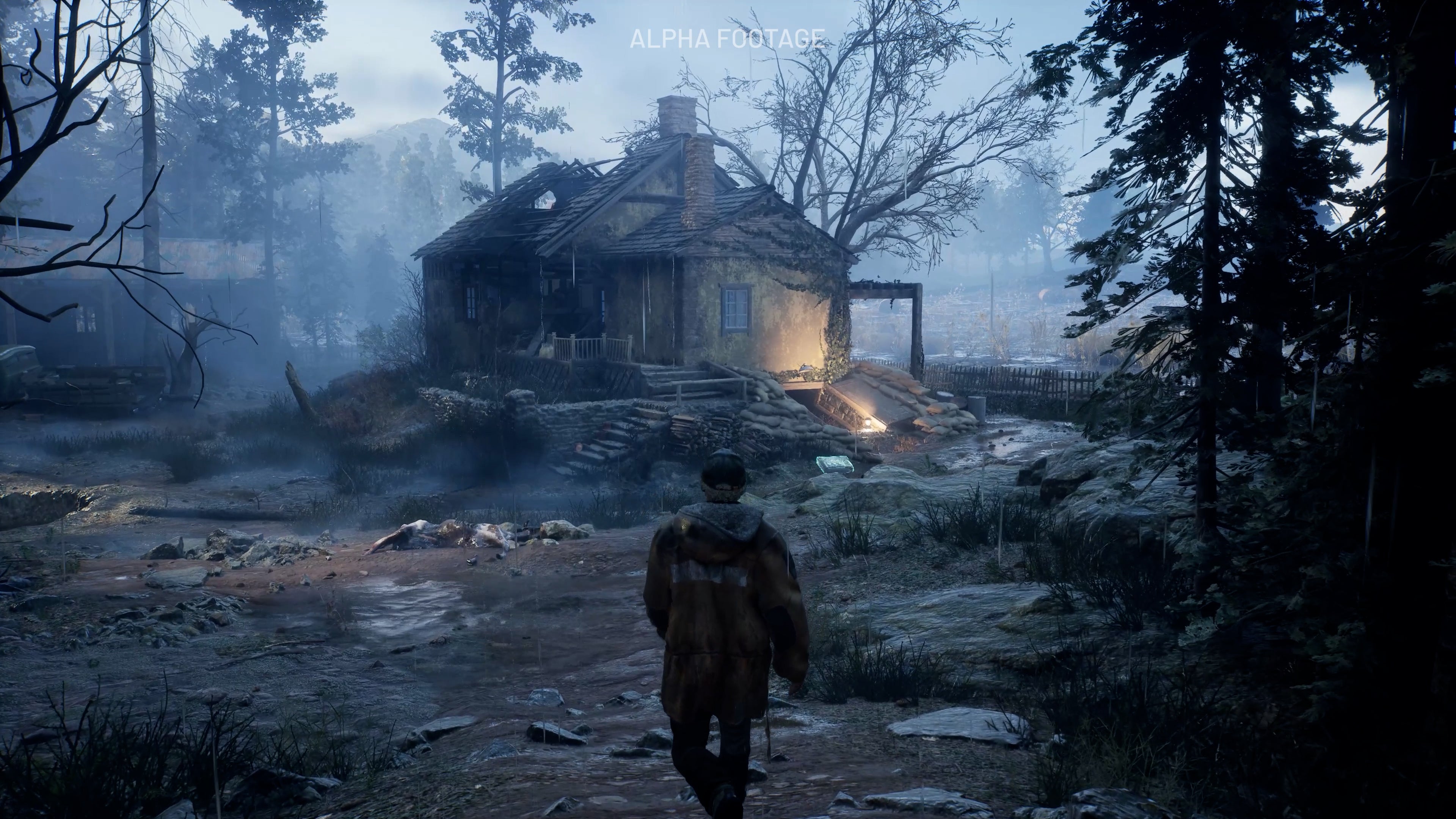
At its core, the game revels in creating "friction"—a term used in game design to describe deliberate challenges that players must overcome without relying on modern quality-of-life features. For instance, don't expect quest markers, minimaps, or explicit tutorials here. This intentional decision places Hell Is Us closer to the Soulslike ethos, where exploration and discovery are key.
A Deep Dive Into Lore: The World of Hadea
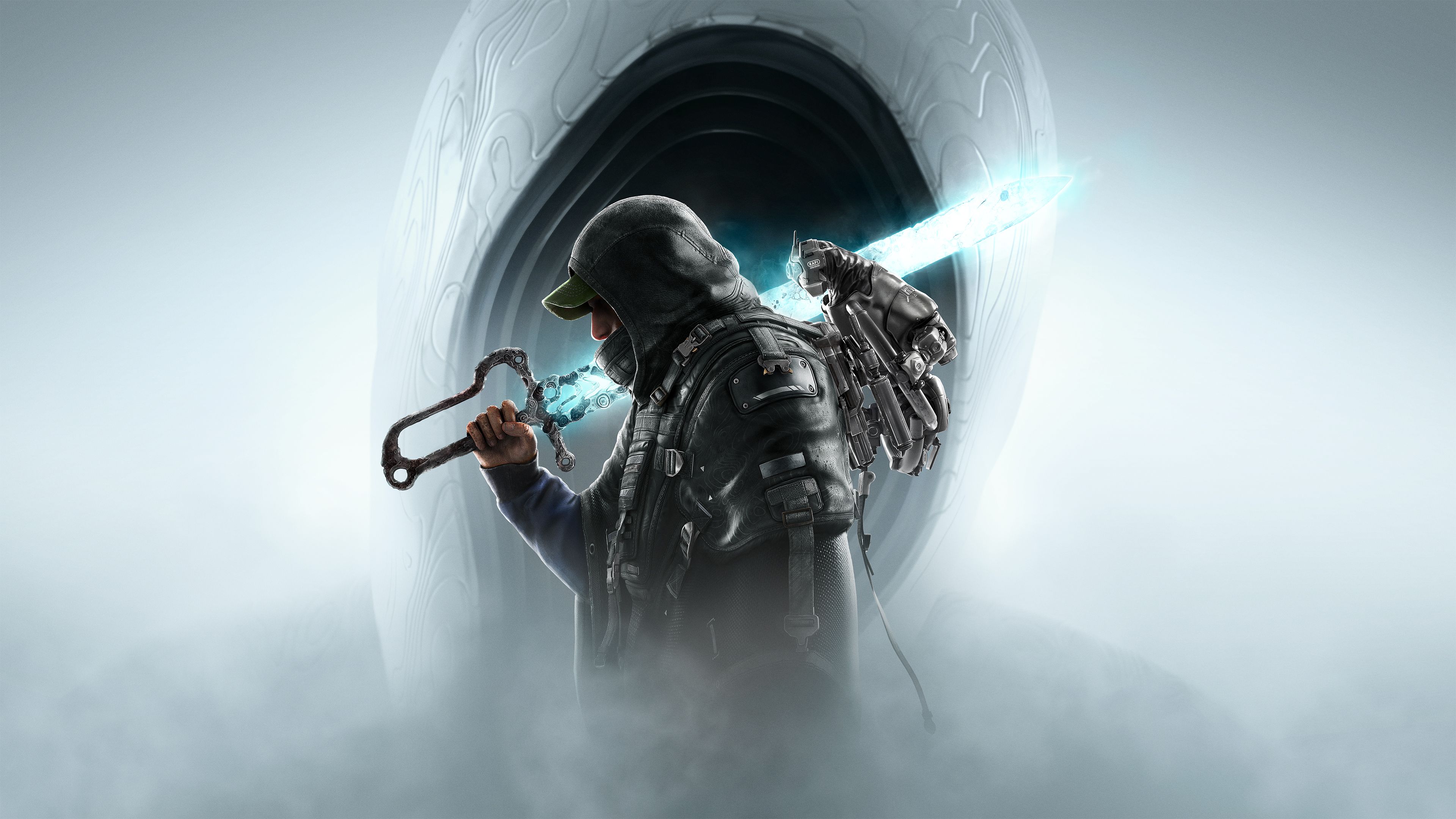
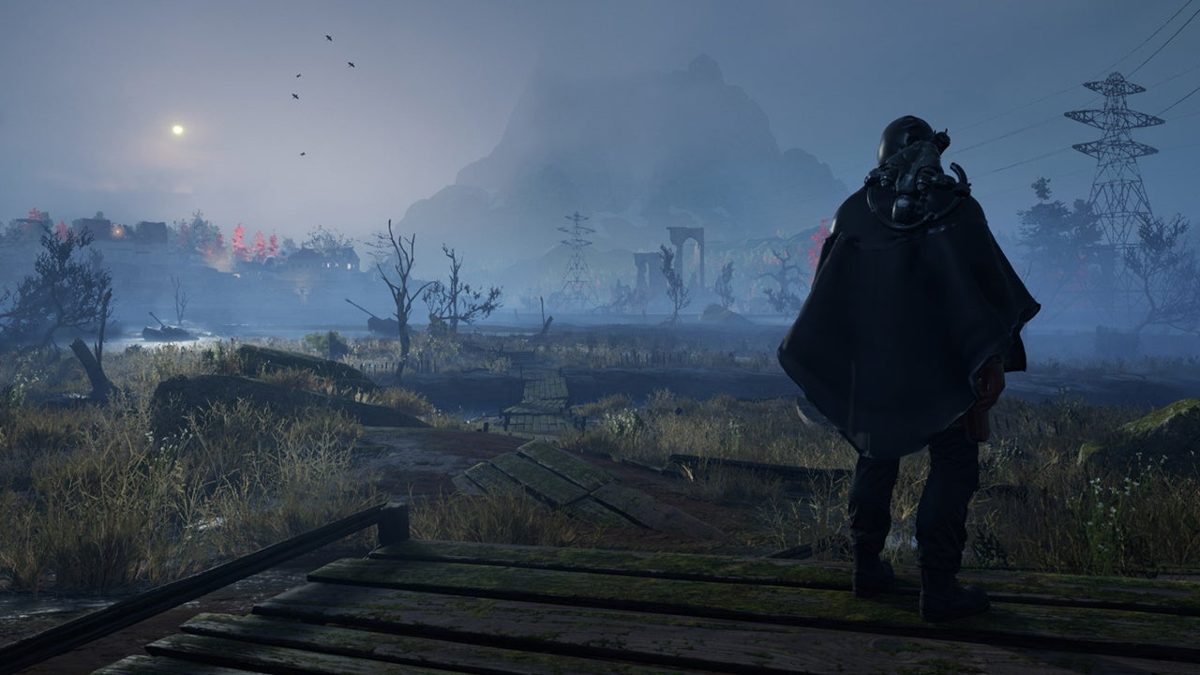
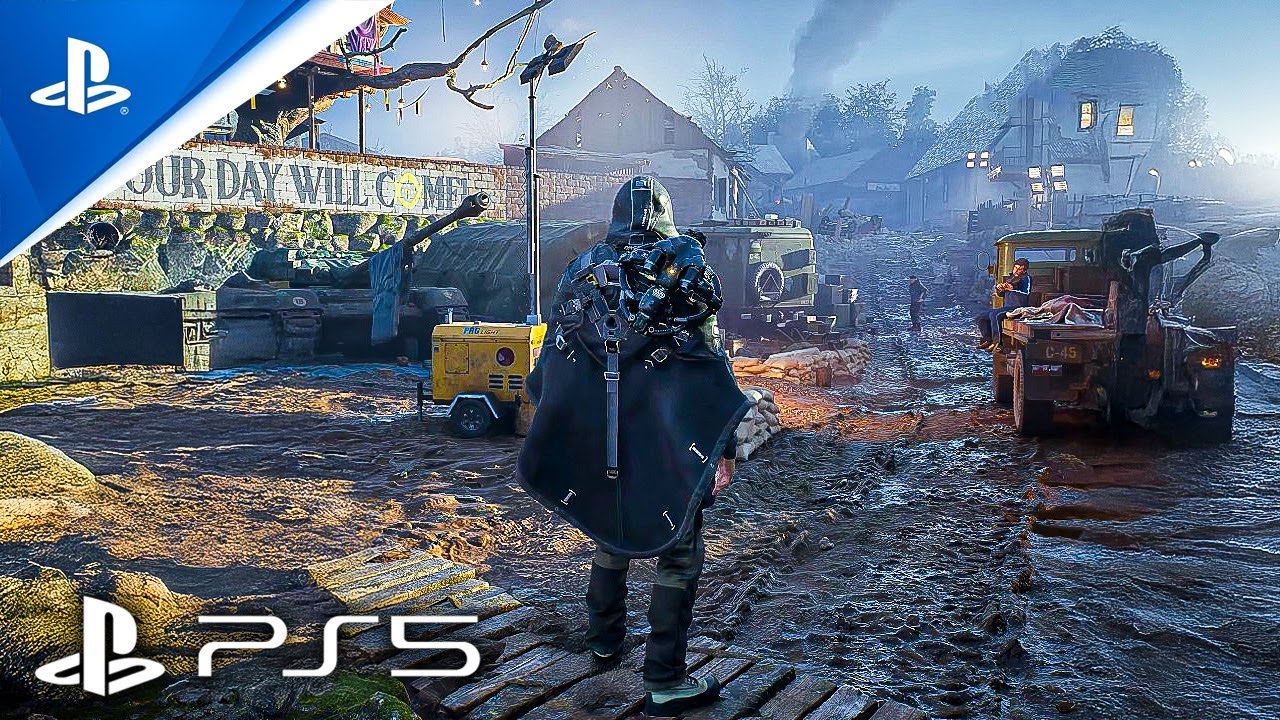
Set in the war-torn country of Hadea during the early 1990s, Hell Is Us tackles themes of civil conflict, religion, and the supernatural. Players step into the role of Remi, who returns to Hadea seeking answers about his family—and accidentally steps into a world ravaged by demonic entities. These eerie pale demons, with void-like faces and hollow torsos, add a compellingly dark atmosphere.
Collectibles, documents, and environmental storytelling supplement the narrative, leaving players to piece together the history of Hadea. The game deliberately avoids overt exposition, creating a layered and rewarding experience for those who love diving into lore. Religious tension and civil strife are ever-present, and the game doesn't simplify its factions into clear-cut "good" or "evil."
Mechanics and Puzzles: How Hell Is Us Challenges Players
What sets Hell Is Us apart from traditional games and even its Soulslike inspirations is its emphasis on puzzles. Remi's journey is riddled with environmental challenges that require observation, patience, and logical deduction. Puzzles range from deciphering codes to assembling clues from notes and objects embedded within the environment.
Notably, the game removes some of the frustrations commonly associated with modern Soulslikes. Enemies, for the most part, don't respawn after death unless you leave and return to a level. This design choice allows players to make tangible progress without the repetitive grind that sometimes stalls pacing in other titles.
Combat in Hell Is Us: A Soulslike Caveat?
While Hell Is Us nails exploration and lore, its combat receives mixed reception. Players battle the pale demons that dominate Hadea, but variety is noticeably lacking. These demons rely on different movement patterns and mechanics—some tethered together through "Hazes"—but you'll likely feel repetition settle in after hours of play.
Fortunately, the game compensates by shining in other areas. For combat enthusiasts seeking challenging rhythm-based battles, there’s still enough depth to warrant investment. And with creative puzzle-solving and meticulous exploration driving the experience, even mild combat fatigue is easy to overlook.
Final Verdict: Is Hell Is Us a Must-Play?
Whether or not Hell Is Us qualifies as a traditional Soulslike, it’s undeniably a standout in its own right. By blending intuitive exploration, challenging puzzles, and rich lore, the game carves a distinctive identity. While its combat loop and lack of enemy variety may frustrate some players, its dedication to striking a balance between friction and accessibility sets it apart.
For fans of action-adventure titles looking for something that rewards curiosity and attention to detail, Hell Is Us is an experience worth exploring. The question remains: is it a Soulslike? Perhaps it doesn’t matter—Hell Is Us is compelling enough to stand alone.